

Filtration Variants
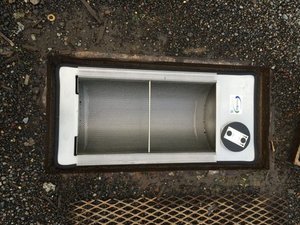
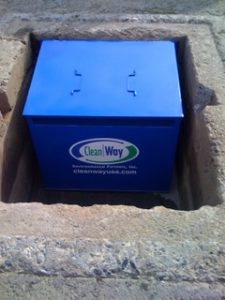
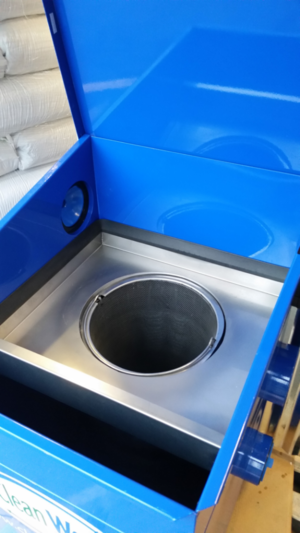
We design and build Storm Clean® storm filter system variants to meet the unique specifications of your site. Storm filtration designs include wall mount and inlet configurations. We work with you to determine the best configuration to address pollutants of concern and help you achieve your water quality goals.
FEATURES
-
Storm filter systems are easy installed by one person
-
Custom storm drain designs fit your site requirements
-
Easy maintenance with a vactor truck or manually
-
Easy access sample port for water quality compliance testing
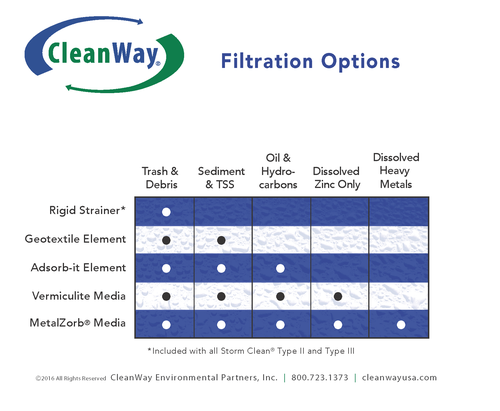
FILTRATION OPTIONS
APPLICATIONS
-
Downspout filters, also referred to as roof drain filters, gutter drain filters or rainwater filters, address the primary concerns of rooftop runoff pollution. This includes dissolved zinc from galvanized rooftop HVAC equipment, moss inhibitors and abrasion resistance coatings, along with environmental deposition of dissolved copper and lead from neighboring properties or nearby roadways where copper is found in brake linings and lead is found in tire weights.
-
Available in standard or custom configurations, downspout filters can be connected on the right or left side, depending on your site configuration.
-
Because rooftop runoff can contain many different pollutants of concern, we help you to determine the best media blend for your application.
APPLICATIONS
-
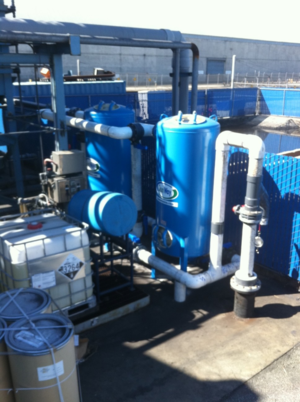
Stormwater, wastewater and process water effluent
-
Metals removal applications
-
When standard sizes won’t work
-
Storm Clean® wall mount filtration units work best in large basins or in manholes with 12″ – 20″ outlets deep in the vault
HOW VARIANT FILTRATION SYSTEMS WORK
-
The rigid strainer is constructed of a perforated material with surface area that accommodates flows rated at 125% of the pre-installed flow.
-
The absorption media section incorporates a flexible open mesh fabric envelope with our specialized media blend. This envelope is suspended from the support assembly and fitted into the basin so influent passes through it before exiting the filtration unit and entering the downstream conduit.
-
The combination of gross solids removal via the strainer and the absorption / filtration of the media section effectively reduce turbidity, suspended solids and other targeted pollutants.